


You know that feeling—when you zip up a dress and it just fits. Not just your body, but your whole vibe. That's what a real designer dress does. But sorting through all the 'famous dress designers' out there? It can feel like trying to read a menu in a language you don't speak.
Is it about the name on the tag? The price? Or something more personal?
We've all been there: something looks amazing on the hanger but feels awkward once you're actually wearing it. This isn't about chasing the latest trend or showing off a label. It's about understanding how designers—from the classics to the new voices—actually think about what we wear. What makes their work special beyond the logo? And how do you choose a dress that'll be with you for years, not just a season?
What Actually Makes a Designer Dress Different
Forget the price tag. Forget the fancy label. A real designer dress is about intention—every stitch, every seam, every curve has a purpose. While fast fashion churns out copies of last week's trends, genuine clothing designers treat each piece like a conversation. Form meets function meets how you want to feel when you wear it.
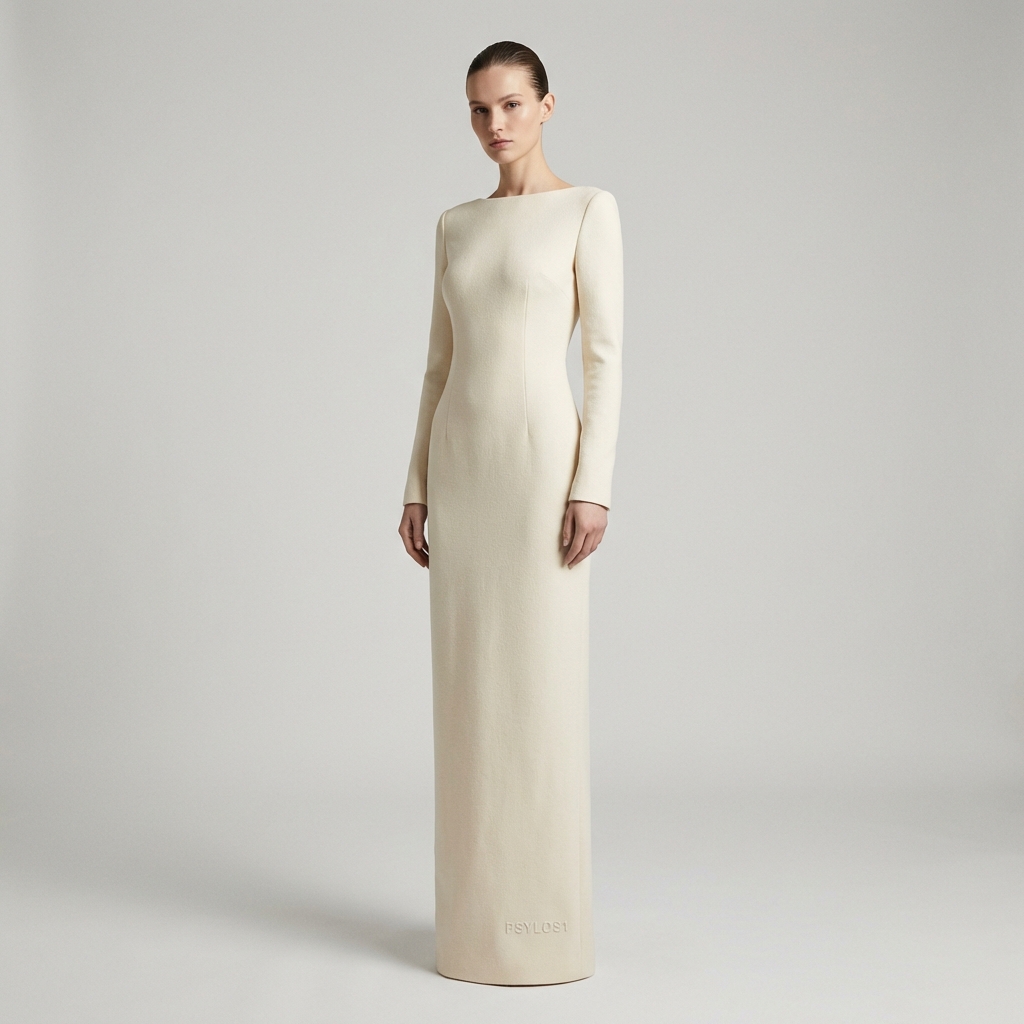
That clean-line dress you keep coming back to? It's not an accident—it's design.
The Icons Who Changed Everything
The history of the designer dress is really a history of women finding their voice. Coco Chanel didn't just make a little black dress—she made freedom. No more corsets, no more fuss. Just clothes that moved when you moved. That 1926 Vogue sketch wasn't just fashion; it was a declaration.
Then came 1947. After years of war and rationing, Christian Dior's "New Look" said: enough with the austerity. Cinched waists, full skirts—it wasn't just pretty. It was medicine for the soul. So iconic that Marilyn Monroe's white halter dress in "The Seven Year Itch" still gets referenced decades later.
What these designers understood? A dress isn't just fabric. It's context. When Audrey Hepburn wore that Givenchy dress in "Breakfast at Tiffany's," she wasn't just wearing something elegant. She was wearing possibility. It told every working woman: sophistication isn't just for the rich. These dresses became more than clothes—they became shorthand for whole ideas.
Today's Designers: Same Questions, New Answers
Modern famous dress designers are still having that conversation between old and new, but now they're asking different questions. Where Dior celebrated abundance after scarcity, today's designers are thinking about sustainability. About bodies that don't fit the old molds. About lives lived both online and off.
Take Simone Rocha. Her romantic tulle and pearls aren't just pretty—they're reclaiming what "feminine" means. Her dresses feel delicate but they've got backbone.
Or Jacquemus. He captures the South of France not with postcards, but with proportion and color. Those mini dresses? They're not just short—they're architectural. Playing with scale in ways that feel fresh, not forced. The brand gets it: modern luxury isn't about having more. It's about having exactly the right thing—that perfect terracotta shade, that sleeve length that hits just so.
What ties them together? Intentionality. They're designing for real bodies in real places. Their dresses consider Zoom calls and Instagram stories alongside gallery openings. They understand that today's woman needs something that works in multiple settings—without looking like it's trying too hard.
Finding Your Dress: A No-Nonsense Guide
Finding that perfect designer dress means thinking less about what's hot right now, and more about what you'll actually wear. It's about moving from impulse to intention.
Reading Between the Seams: What to Actually Look For
Start at the shoulders. How do they sit? A good shoulder seam follows your natural line—no pulling, no gaping. This isn't just about fit; it's engineering. Good clothing designers know the shoulder holds everything together.
Check the stitching. Not just if it's straight, but what kind of stitch and why. French seams on silk? That's someone thinking about how it'll look and last. Flat-felled seams on heavier fabrics? That's someone who doesn't want you getting irritated.
Feel the fabric. Seriously, between your fingers. Does it have weight? Does it drape? Does it remember its shape? Cheap polyester looks shiny in photos but feels stiff and traps heat. Good natural fibers—silk, wool, quality cotton blends—they breathe with you.
Peek at the lining. Is it substantial? Does it match the outside in quality? A proper lining does more than keep things opaque—it gives the dress its shape.
And the closures. Are those buttons just for show, or do they actually work? Is the zipper solid? These are the details where cheaper brands cut corners.
The Reality Check: Will You Actually Wear It?
Before you buy, do a quick mental run-through. Where will this dress actually go in your life? Get specific:
- Monday morning meeting: Will it work under your go-to blazer?
- Friday gallery opening: Can it stand alone, no accessories needed?
- Saturday brunch: Does it look good with your favorite sneakers?
Look at what you already own. A truly versatile designer dress should work with at least three things already hanging in your closet.
Think about upkeep. Will it need special cleaning? Can you spot-clean a coffee spill? The prettiest dress becomes a hassle if it can't handle real life.
Most importantly: how does it make you feel? Not just "does it look good" but "does it feel like me?" The right dress should amplify the confidence you already have—not try to create it from scratch.
Making It Work: How to Actually Wear These Dresses
A designer dress isn't meant to stay on the hanger. It's meant to move with you. Here's how to make these pieces part of your everyday—without overthinking it.
For the Office: Professional, But Still You
In today's workplace, a designer dress hits that sweet spot between looking professional and feeling like yourself. Start with a midi-length silhouette in something with structure—wool crepe or a good cotton. The length says you mean business, but it still lets you move.

That blazer-and-dress combo that just works? That's design doing its job.
From Day to Night: One Dress, Multiple Lives
The real test of a designer dress isn't how it performs in one setting—it's how it moves between them. Start with something versatile. A silk slip dress. A linen shirt dress.
For daytime, keep it easy. Minimalist sandals or clean sneakers. A woven tote instead of something structured.
When evening comes, switch up the accessories. Swap those sandals for heels or elegant flats. Trade the tote for a clutch or small crossbody.
Think about layers. A fine knit under or over the dress adds texture and warmth—and completely changes the look.
The magic is in the small adjustments. Roll the sleeves differently. Unbutton one more button. Tuck it in, or leave it out. These tiny changes let the same dress tell different stories all day long.
The psylos1 Difference: Dresses That Earn Their Keep
At psylos1, we don't see designer dresses as something you buy for a season. We see them as investments for your wardrobe. Our whole process is built on one idea: the right dress should work for you for years, not just a few wears.
How We Choose What Makes the Cut
Every dress in our collection has to pass three tests:
Original design. We look for pieces with a real point of view—not just something that looks new, but something that thinks differently. Unexpected seams. Smart fabric combinations. Details you notice gradually, not all at once.
Real craftsmanship. We check how it's put together. Are the seams finished properly? Do the patterns line up where they should? Is the fabric quality consistent?
It has to make sense. Every piece needs to fit with psylos1's idea of "elegance without trying too hard." Things that enhance your style instead of overwhelming it. No loud logos. No flashy details. Nothing that prioritizes looking impressive over actually being good.
This means our collection is intentionally small. You won't find hundreds of almost-identical options. Just carefully chosen pieces, each selected because it offers something genuinely different.
Investment Dressing: Fewer Pieces, Better Choices
We believe in "investment dressing"—buying fewer things, but better things. Things that actually get better the more you wear them. A real investment dress isn't about the price tag. It's about cost-per-wear over time.
Think about it: A $500 dress worn twice costs $250 each time. A $1,500 dress worn 50 times? That's $30 per wear—and it'll probably look better on wear 50 than the cheaper one did on wear 2.
But it's more than just math. It's about building a relationship with your clothes. When you own fewer, better pieces, you learn their quirks. You discover that dress with the perfect dart looks just as good with your vintage leather jacket as it does with your tailored blazer.
We help with this. For every dress, we give you more than just measurements. We give you styling ideas. Care instructions. The story behind the designer. We want you to understand not just what you're buying, but why it was made this way.
What we're after? Making getting dressed something you look forward to. When everything in your closet feels considered, cherished, and perfectly you, getting dressed stops being a chore. It becomes a way to say something about who you are.
Your Dress Is Waiting
Finding your perfect designer dress isn't about chasing trends or collecting labels. It's a thoughtful process. Understanding where these designs come from. Recognizing real quality. Choosing pieces that actually fit your life—and your story.
The right dress—whether it carries decades of history or a fresh new perspective from an emerging clothing designers—should feel like it was made for you. The piece you reach for without thinking, knowing it'll carry you through important meetings, special dinners, and everything in between.
At psylos1, we believe in dresses that earn their place. Start by exploring our collection with these ideas in mind. Look for the story in the stitching. The thought behind the cut. The potential for it to become your next go-to piece.
Your perfect dress isn't just waiting to be worn. It's waiting to be lived in.


